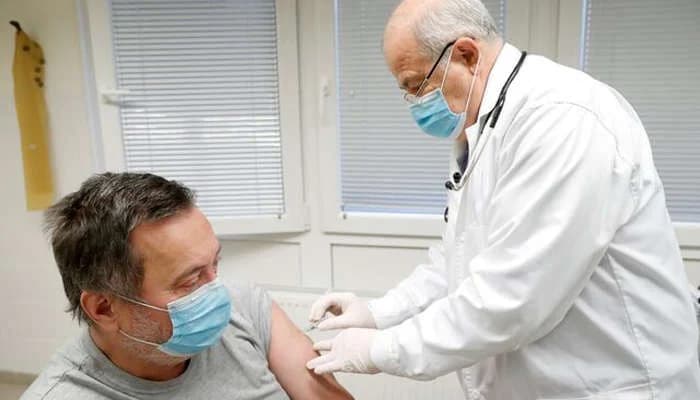
Moderna and Merck's mRNA cancer vaccine, known as intismeran autogene, reduced the risk of melanoma death or recurrence by 42 percent when combined with Keytruda. The treatment also lowered the risk of cancer spreading by 38 percent during a Phase 3 trial involving more than 1,100 patients.
Patients received nine doses of the vaccine alongside Keytruda, which is already approved for 19 types of cancer, starting 13 weeks after surgery to remove melanoma lesions. Data showed that 82.2 percent of patients who took the vaccine with Keytruda remained cancer-free after two years, compared to 70 percent of those who received Keytruda alone.
Dr Hussein Tawbi stated, "This is highly statistically significant. It is not by chance." Stephane Bancel, who expects the vaccine to launch in 2027, said, "With this ability to create new T cells that are specific to your tumour... the clinical impact is very profound, and as we saw in the Phase 2 (trial), very lasting."
Moderna shares fell more than 17 percent on Thursday after the results leaked on an oncology website, while Merck shares closed down about 1.8 percent.