
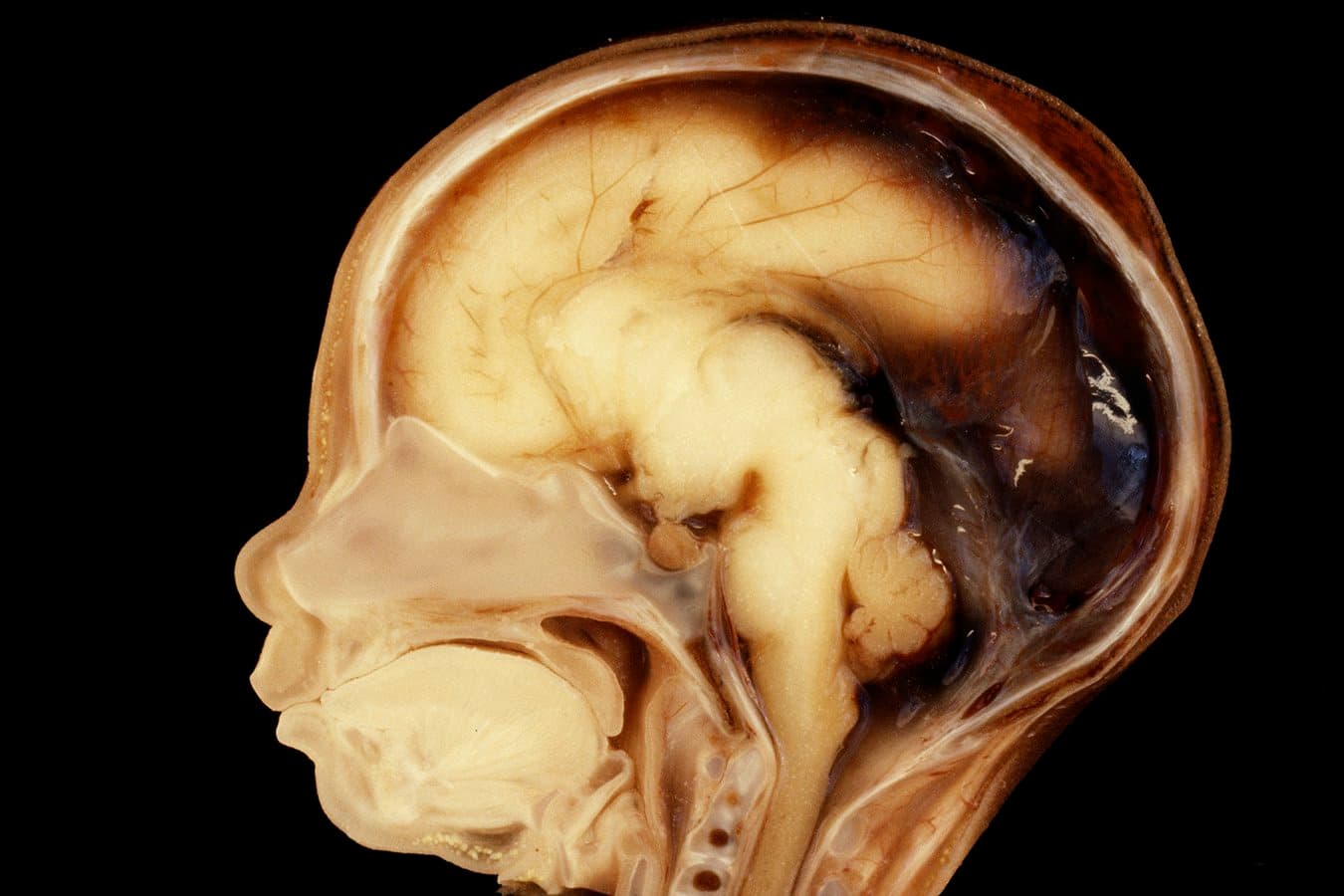
Maternal cells cross the placenta during pregnancy while fetal cells travel in the opposite direction. This biological exchange results in microchimerism, a phenomenon where these cells remain in the offspring's body long after birth.
Researchers first detected maternal cells in human fetal brain tissue in 2008. Another team identified male DNA in the brains of women four years after that initial 2008 discovery.
A 2012 study specifically found male DNA in the brains of 37 out of 59 women. That same 2012 study noted a lower prevalence of male DNA in the brains of women suffering from Alzheimer’s.
Sami Kanaan at Fred Hutchinson Cancer Center in Seattle detected maternal DNA in brain tissue samples from children with epilepsy. Kanaan found that maternal cells in these children developed into astrocytes, immune cells, neurons, and blood vessel cells.
"It was a surprise to see naturally occurring microchimerism detected in the human brain with such highly diverse neuronal, glial, immune and vascular identities, in both healthy and diseased cohorts," Kanaan said. Maternal cells are linked to various conditions including stroke, brain tumours, multiple sclerosis, and Parkinson’s disease.
In 2022, researchers compared mice with typical maternal cells against those with reduced maternal cell counts. Mice with fewer maternal cells showed disrupted communication between the hippocampus and the prefrontal cortex.
These mice also performed worse on tasks requiring the recall of previously learned information. Maternal cells help regulate the brain’s resident immune cells to prevent excessive pruning of connections between neurons.
David Haig at Harvard University stated that mothers and their children have a shared evolutionary interest in each other’s well-being. Pre-eclampsia increases the permeability of the blood-brain barrier.
Brain samples showed varying concentrations of maternal cells, ranging from approximately 2.2 per 100,000 cells to as many as 458.9 per 100,000 cells.