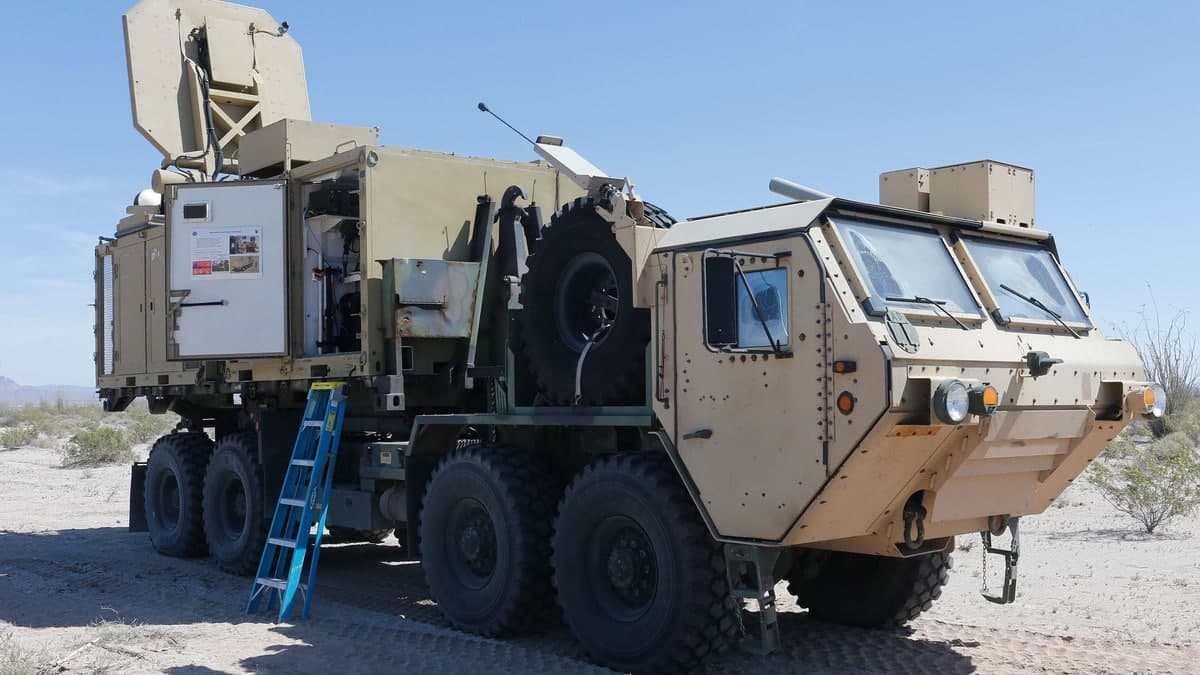
Defense Secretary Pete Hegseth signed a memo in September authorising the Department of Homeland Security (DHS) to test a military-grade heat ray weapon. The DHS is permitted to borrow one Active Denial System (ADS) for a period of seven months starting in September 2026.
This system employs invisible electromagnetic waves to produce an intense burning sensation on human skin without physical contact. The ADS can project a beam of electromagnetic energy over a distance of slightly more than 0.5 miles, creating a sensation similar to opening a hot oven.
A tingling sensation resulting from the beam can persist for between 10 and 15 minutes. DHS personnel will be responsible for operating the equipment and establishing procedures for its potential use during border operations.
Pentagon staff will not operate the system, though the DHS may request an extension beyond the initial seven months if more testing is required. US Customs and Border Protection (CBP) officials previously considered using the technology to control crowds and deter unauthorised border crossings.
In 2018, officials discussed deploying the system against migrants, but then-Homeland Security Secretary Kirstjen Nielsen rejected the proposal. The weapon was also considered during protests following the killing of George Floyd in 2020.
The US military previously deployed the system in Afghanistan but never used it during combat operations. Former border officials warned that people fleeing the heat ray could enter dangerous areas like rivers, which increases the risk of drowning.
Questions have been raised regarding whether the weapon can be directed at individuals who have not yet entered US territory. Some Border Patrol agents have questioned the necessity of the technology, pointing to increased staffing and declining border crossings.
A CBP spokesperson told CNN that the agency continues to evaluate new technologies to improve its operational capabilities. Authorities have not confirmed if the weapon will be deployed at the US-Mexico border.