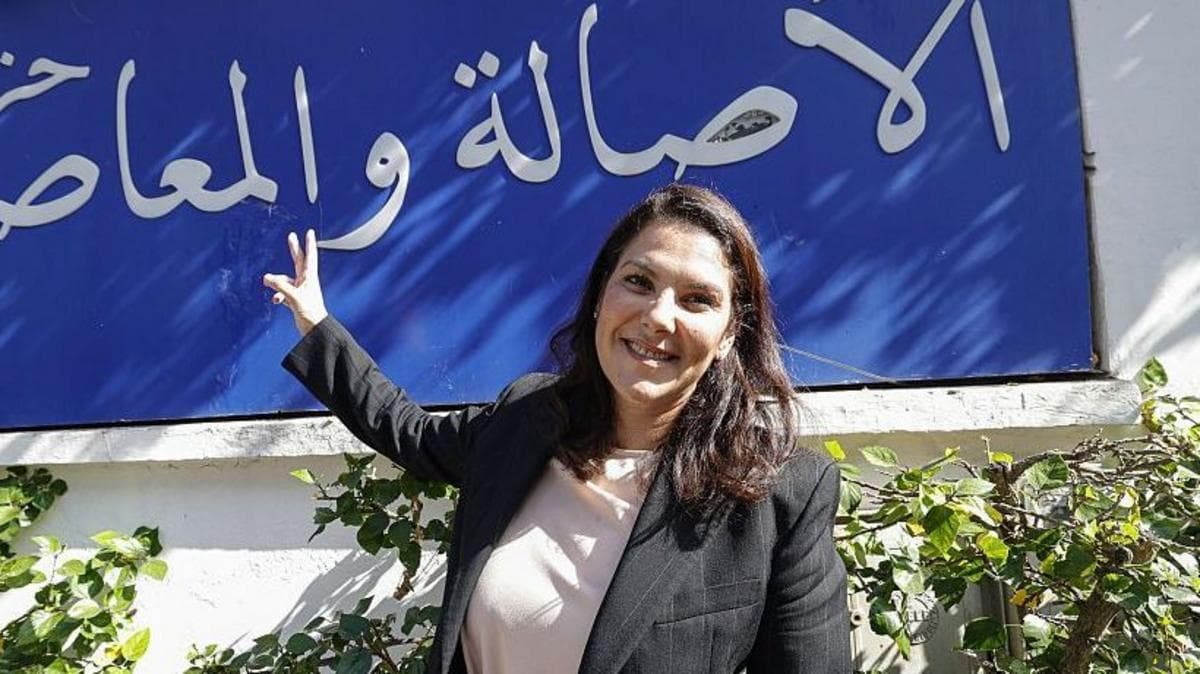
King Mohammed VI appointed 50-year-old Fatima Zahra El Mansouri as Morocco's first female prime minister. The 63-year-old monarch made the selection following the September parliamentary election where the Authenticity and Modernity Party (Pam) secured the most seats.
A coalition of parties currently holds 207 of the 395 seats in the parliament of the constitutional monarchy. Mansouri previously spent five years as the minister for national territory planning, urban planning, housing and city policy.
Official figures recorded a 38% turnout of registered voters during the September polls. Dr Irene Fernandez-Molina said, "Two headlines have dominated coverage of [September's] parliamentary election in Morocco: a two-decade low turnout and King Mohammed VI's appointment of a woman as prime minister for the first time in this country's history."
The appointment comes as the country navigates social issues, including a 2022 report by Morocco's National Human Rights Council stating that unequal inheritance rules contributed to poverty among women. Under current rules, a daughter typically receives half the share of a son, though the Higher Council of Ulemas rejected proposals to abolish taasib.
A package of changes to the Moudawana was announced in 2024 to address these legal frameworks. Education data from 2025 by Morocco's High Commission for Planning shows 100% of girls aged 15–17 attend school in urban areas, while 55% of girls in the same age group attend in rural areas.
Mansouri stated, "Being the first female head of government is not just a source of pride for me, but for all the women of the kingdom." Yasmina Benslimane noted that the move challenges stereotypes by breaking a ceiling that was never broken.
Sara Zouiten added that Mansouri should not be judged solely as a woman, as being in power does not automatically make someone a champion of women's rights.