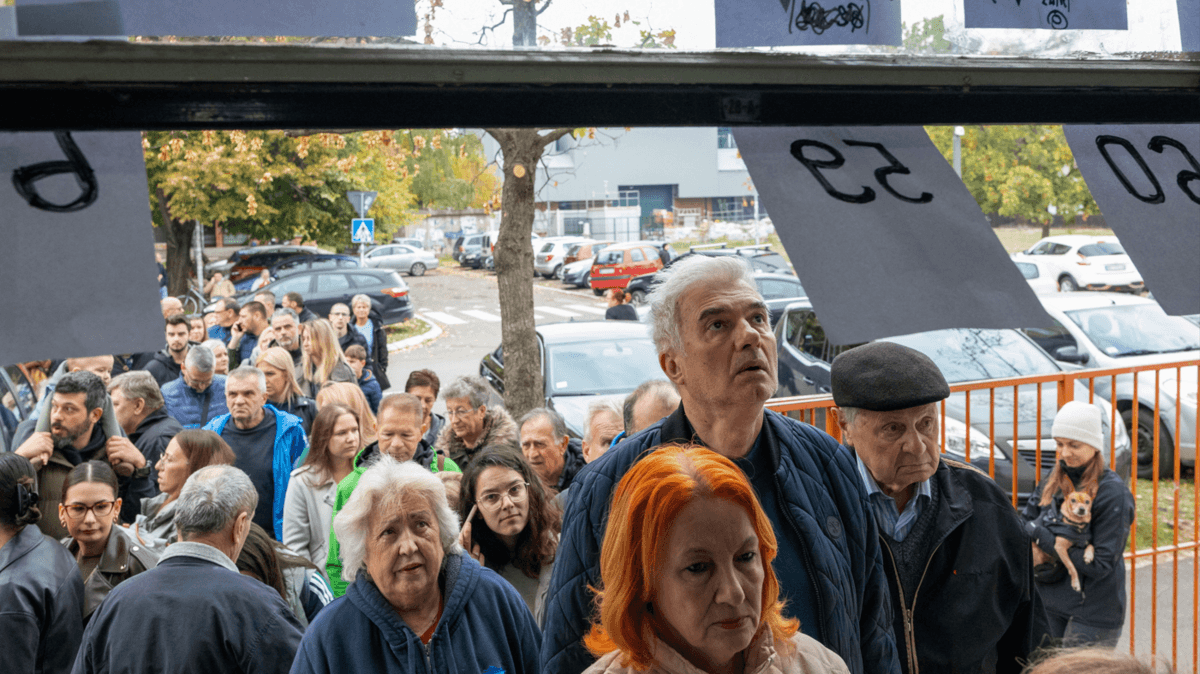
Forty-six percent of voters in Serbia cast their ballots by 14:00 local time during the parliamentary election. This participation level is nearly 1,000,000 higher than the turnout recorded during the previous election in December 2023.
Voting remains open until 20:00 for an electorate of 6.45 million people within a total population of 6.53 million. Aleksandar Vučić and the Serbian Progressive Party (SNS) occupy the top spot on the ballot paper.
The Student List appears third on the ballot, featuring 250 candidates including academics, doctors, actors, and sports personalities. Ilija Srdanović leads the Student List's 250 candidates.
Vučić, who has served two terms as president and left the prime minister post in 2017, pledged investment in state healthcare and supports Serbia's European Union candidacy. He also refuses to impose sanctions on Russia regarding its war in Ukraine.
The SNS party denies seeking to influence the media or engaging in corruption. In contrast, the Student List manifesto calls for freeing the public broadcaster from political control, stopping party loyalists from heading public enterprises, and purging officials who broke rules while cracking down on protesters.
The Student List delegated at least 2 observers to each of Serbia's 8,210 voting stations. Serbs from Kosovo and dual Serbian citizens from neighbouring Bosnia have the right to vote in the proceedings.
Police closed streets around the Republic Electoral Commission (RIK) in Belgrade to manage the event. Reports have emerged of attacks on journalists and election monitors at several polling stations.
Videos also show ballot papers allegedly filled out in advance in a cafe in Nis. Most commentators suggest a final turnout of 65% or above would favour the students.
"These are the hands that hold Serbia in their palms," Aleksandar Vučić said.
Aleksandar Vučić