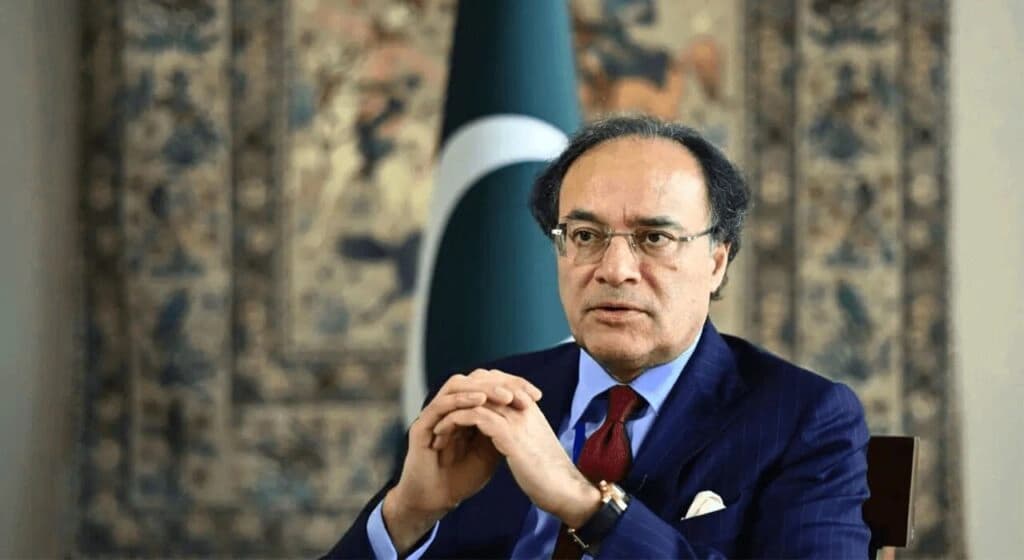
Aurangzeb met with the UNDP Administrator and UN Under-Secretary-General Alexander De Croo, alongside the Director of the IMF’s Middle East and Central Asia Department, Jihad Azour. The senator also engaged with delegations from J.P. Morgan, Ajman Bank, and Sharjah Islamic Bank.
Pakistan aims to enter the BB rating category through a commitment to sustainable export-led growth and macroeconomic stability. The government pledged to sustain primary surpluses, reduce public debt, and advance growth-friendly tax reforms while protecting social spending.
Structural reforms will include privatization, greater private-sector participation, and de-escalation efforts. To safeguard food security, the state committed to providing adequate fertilizer supplies and implementing winter preparedness measures.
Fiscal discipline will guide targeted fuel subsidies, while the government plans refinery upgrades, power distribution privatization, and airport outsourcing. Infrastructure and digital projects include the ML-1 railway, data centre financing, and digital finance initiatives.
Climate and biodiversity measures involve risk insurance through the Global Shield, parametric insurance, and potential debt-for-nature or debt-for-climate swaps. The government intends to create jobs through the private sector, expand cash flow-based lending, and provide guarantees for small businesses and farmers.
Financial instruments will include rupee-denominated, dollar-settled options, further Panda bond issuance, and possible Eurobond tokenization. These efforts aim to restore Pakistan's credit limits.