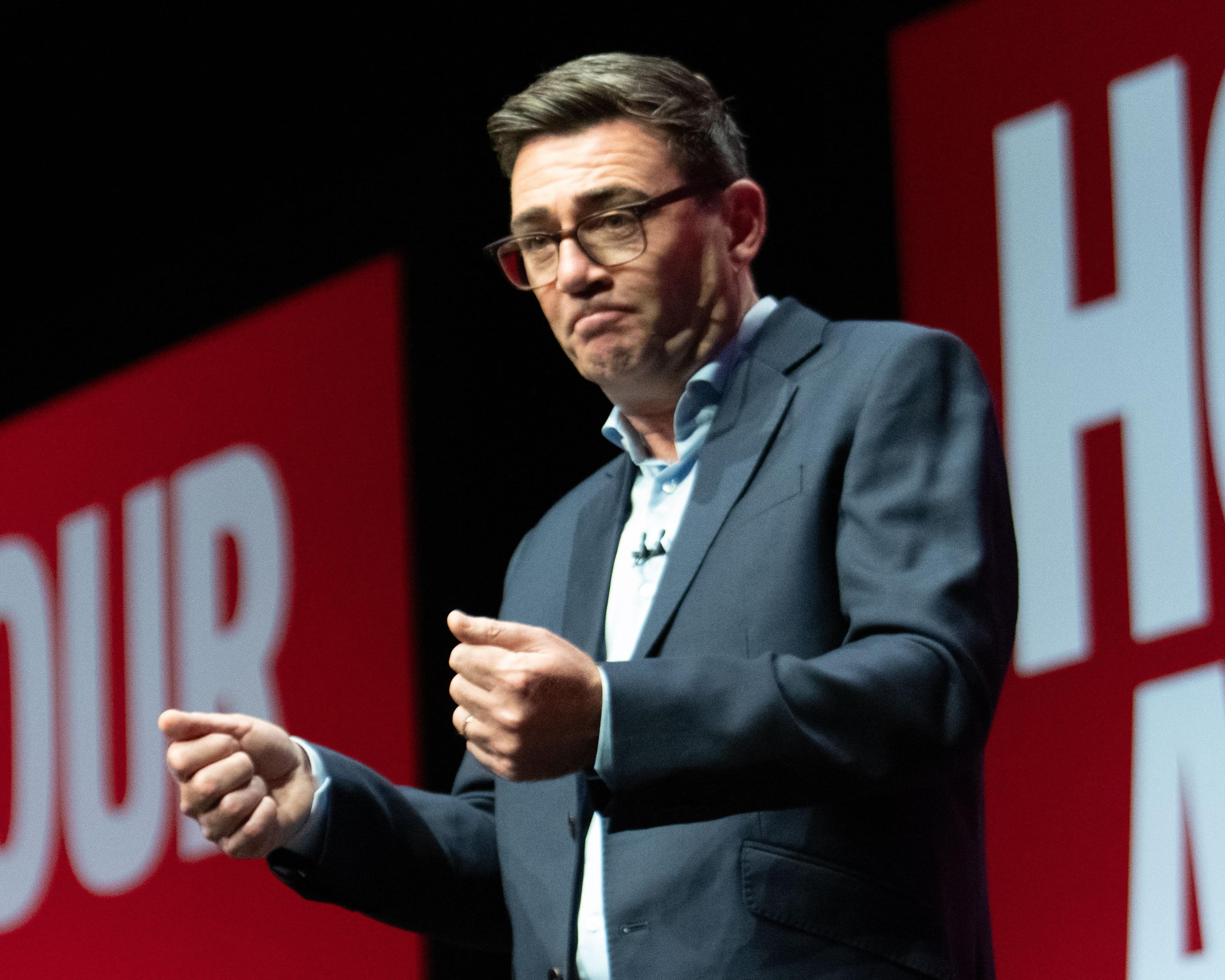
Andy Burnham set out plans for a national care service in England, confirming he would end the pension triple lock and use the resulting savings to fund the service, making it free at the point of use. Furthermore, Burnham promised that lower-income pensioners would receive an exemption from income tax during this parliament.
The government intends to legislate on these changes before 2030, which will require Members of Parliament to vote on the proposed adjustments. The state pension guarantee will remain in place until 2030.
The prime minister used his conference speech to announce a policy change regarding the state pension, moving away from the guarantee that the pension rises by the highest of 2.5%, inflation, or earnings growth. The Resolution Foundation thinktank reported on Friday that figures for savings varied, ranging from nothing up to approximately 24 billion pounds a year, depending on the recent decade used for modelling.
Ruth Curtice, the thinktank’s chief executive, stated that the adjusted triple lock saves money in a volatile world, noting it saves nothing in the nineties or two thousands, and £24 billion in the teens. She added that over the longer term, which will likely reflect a mix of economic realities, the new mechanism should trend closer to earnings, warning that if real earnings growth permanently disappoints, even the new protections could prove costly.
Estimates suggest that adjusting the triple lock would cut state pension spending by £15 billion annually by the end of the 2030s, reaching £50 billion annually by 2050. Polling data from YouGov indicated that voters support Burnham’s plan, with support figures ranging from 48% to 28%.