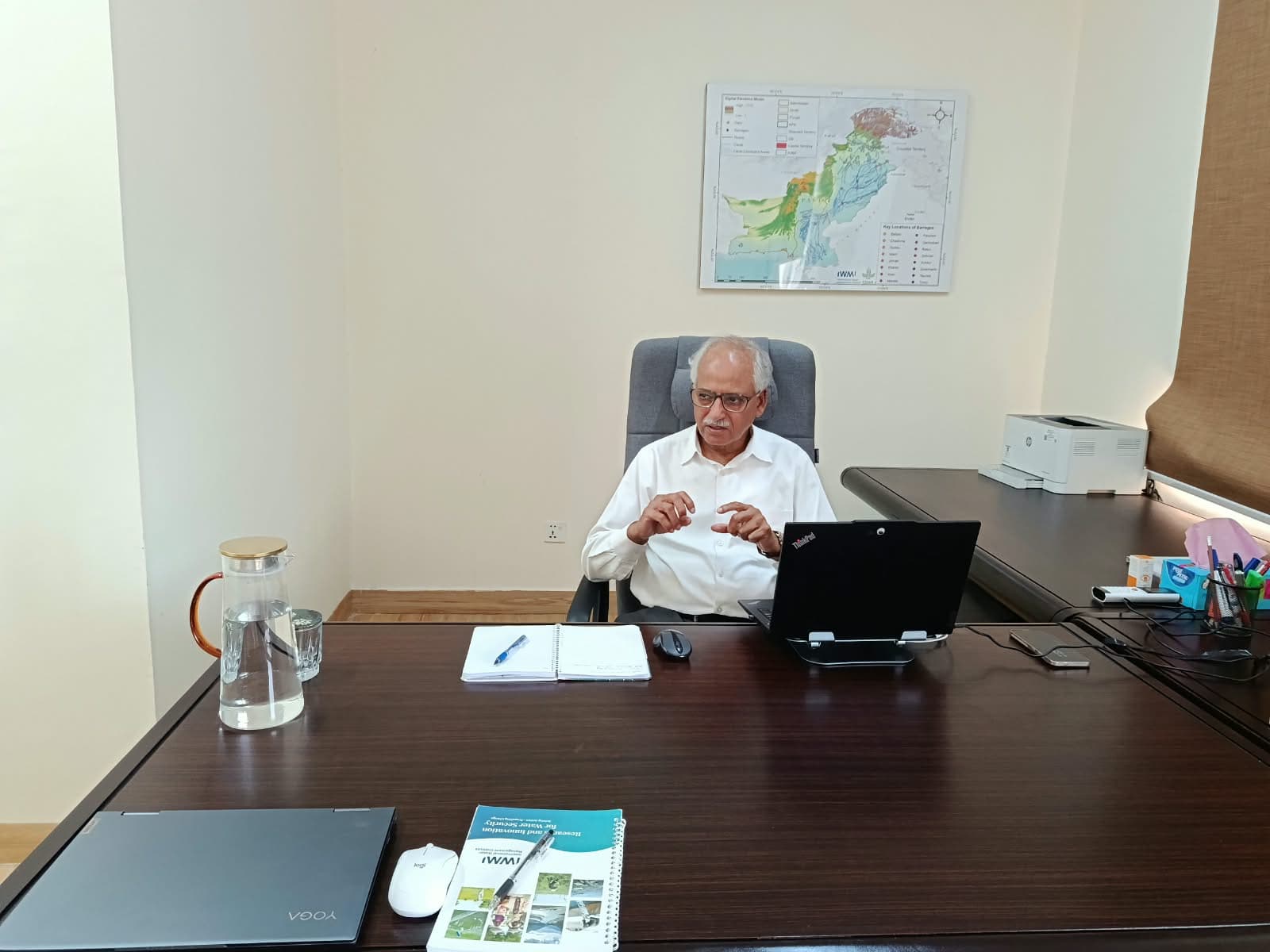
Pakistan can strengthen water governance and ensure equitable resource distribution by implementing a comprehensive water accounting and auditing system. Dr. Muhammad Ashraf, the Country Representative of the International Water Management Institute (IWMI) in Pakistan, stated that a complete assessment of rainfall, groundwater, glaciers, wastewater, and hill torrents would offer policymakers a clearer view of available resources.
Ashraf explained that water accounting requires the systematic recording of outflows, consumption, and inflows. Audits of these resources could help identify losses and improve the efficiency of water use.
Reliable data is a necessity for planning infrastructure projects, including the construction of dams. Consultations with provincial and federal stakeholders have already taken place to create guidelines for water accounting and resource assessment.
Integrating these auditing practices into development planning could build trust among stakeholders while enhancing transparency and institutional accountability. A data-driven strategy would allow authorities to find ways to reduce waste, improve allocation, and create sustainable solutions for emerging water challenges.
Ashraf noted that coordinated efforts between relevant institutions and federal and provincial governments are essential to turn reliable data into practical measures for long-term water security.