A fifth international company has withdrawn from a plan to construct a cable car connecting West and East Jerusalem. Stephan Obexer, chief executive of ROPES, stated his company declined the consultancy work because of another commitment in India.
The cable car route would link West Jerusalem to a planned 16,000 square metre tourist complex and end at a compound operated by the far-right settler group Elad. The Israeli government approved the route in 2019, and the high court upheld the decision in 2022.
Three French and one Swiss companies had previously expressed interest in the project. CNA withdrew from the project less than a year ago, while Histec Engineering from Switzerland also pulled out.
The French government urged one company not to participate in 2015. The project costs the state approximately half a billion shekels.
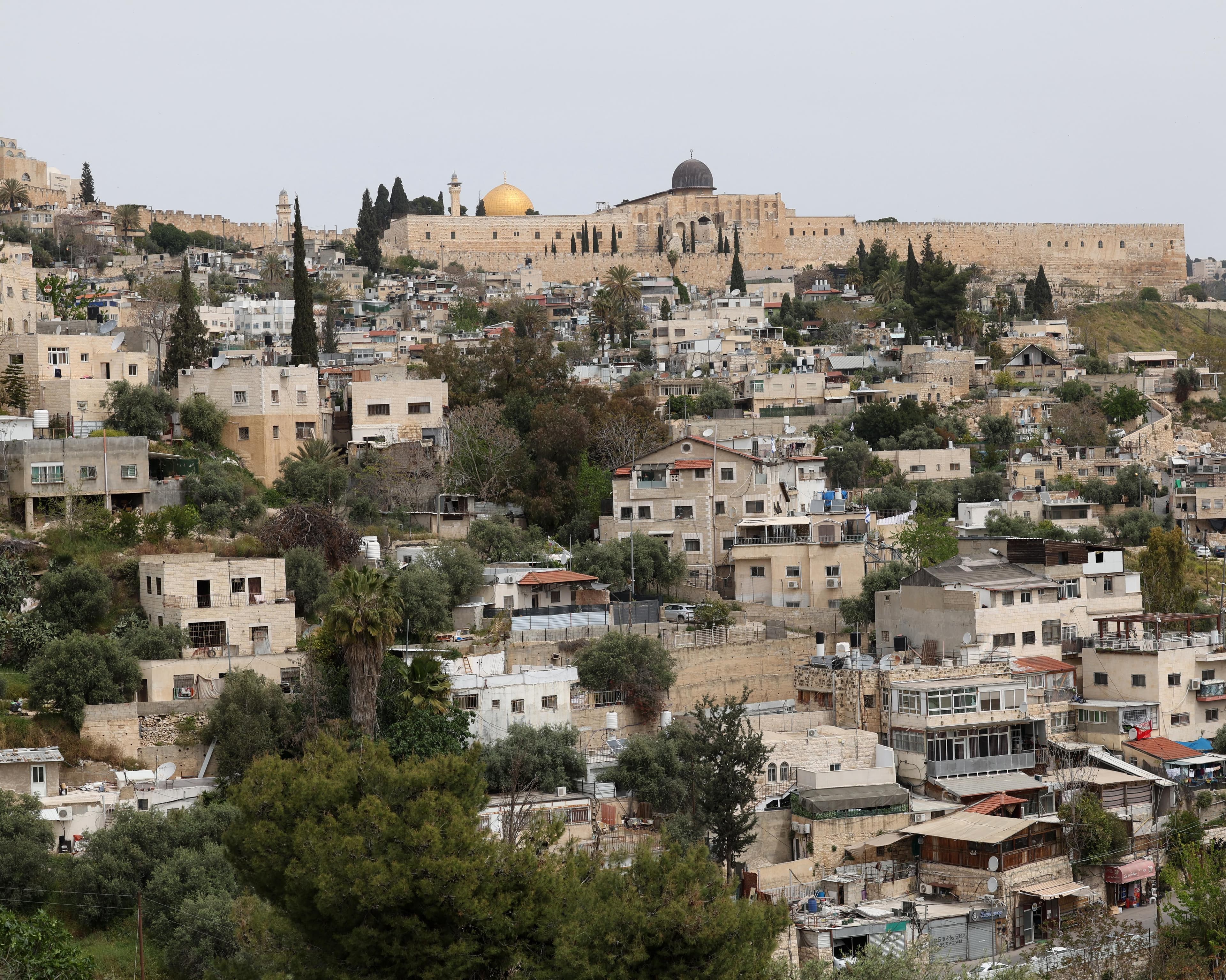
The construction threatens about 54 Palestinian homes in the Wadi Hilweh neighbourhood in Silwan. Israeli authorities issued 17 expropriation notices covering about 8.7 dunams of land.
Sari Kronish said, "These buildings, home to roughly 450 residents, lie directly beneath the proposed route." Cable cars would pass as close as 4 metres above rooftops.
The Israel Nature and Parks Authority said, "Our involvement was limited to providing feedback on the proposed alternatives." The Old City and the rest of the eastern half of Jerusalem were fully annexed in 1980.
Former Jerusalem mayor Nir Barkat once described the cable car project as a way for visitors to "understand who is truly the landlord of the city."