Israel's Knesset elections are scheduled for next week, with forecasts suggesting Benjamin Netanyahu's coalition will lose its majority in the 120-seat parliament. The Jewish Israeli opposition bloc is expected to fall short of the 61 seats required to form a government.
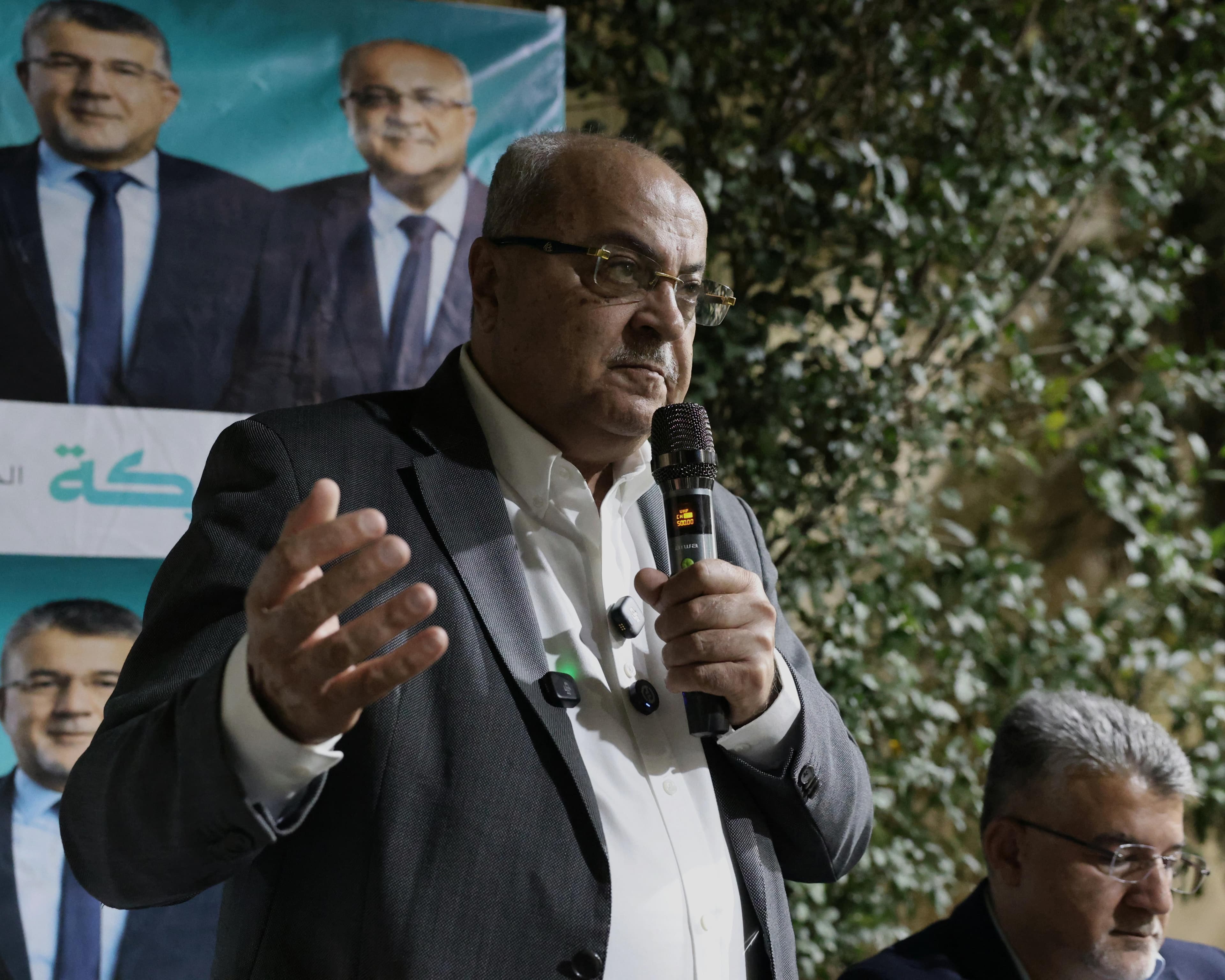
Palestinian citizens of Israel, who comprise about 20% of the population, are projected to secure between 12 and 15 seats. Ahmad Tibi stated, "We are determined to do everything in order to bring this government down. And high turnout among the Arab community is one important tool in achieving this goal."
Mohammed noted that the math of the seats means the government must eventually make a deal. Tibi described the choice as being between bad and worse, stating, "Any new government will not be my cup of tea, but I am choosing between Netanyahu, [Bezalel] Smotrich, Itamar Ben-Gvir and the opposition."
Sami Abu Shehadeh, who was disqualified from running by Israel's supreme court last month, said the biggest motivation for voters is fear. Nagham Zbeedat said she does not vote because she refuses to legitimize a system that treats her rights as favors, her safety as optional and her humanity as negotiable.
Iraqi observed that from a Palestinian perspective, the election is primarily about mitigation, as voters can see the difference between a rightwing and a far-right government. Historical context includes the 1956 killing of 49 men, women and children in Kfar Qassim by border police.
Previous roles include Raleb Majadele holding the portfolio for sport for 2 years and Issawi Frej managing regional coordination for just over 1 year. Mansour Abbas previously took his party into a coalition government with Naftali Bennett in 2021.