Pakistan must develop housing solutions that are affordable, adequate, and capable of withstanding climate-related risks. Rapid and unplanned urban growth has led to the expansion of slums and informal settlements across the country.
Millions of homes have been impacted since the 2005 earthquake, highlighting a persistent housing crisis. Addressing these issues requires a comprehensive approach that balances increasing housing supply with ensuring basic services and structural resilience.
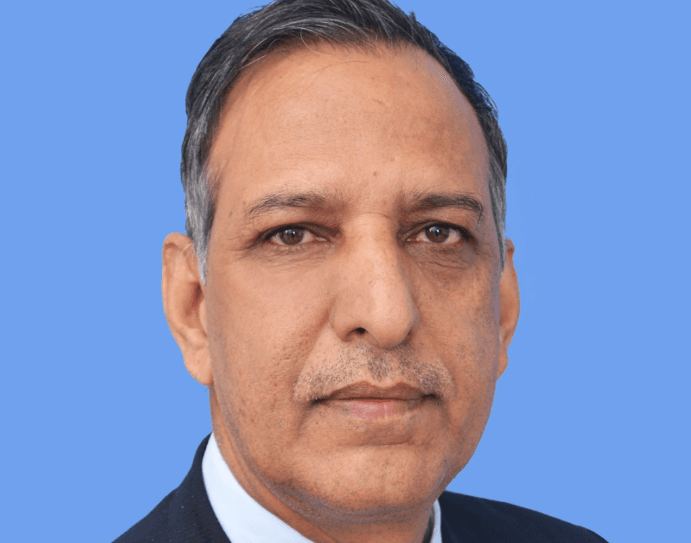
Hamid Mumtaz Khan emphasised the necessity of incremental housing, serviced land, and financing mechanisms that involve meaningful community participation to upgrade informal areas. Khan stated that adequate housing must provide low-income communities with a secure environment, including sanitation and safe drinking water.
Resilience must be integrated into the design and construction of homes to protect residents from floods, earthquakes, and climate change. New developments are required to comply with established building standards, while vulnerable existing structures can be reinforced through cost-effective retrofitting.
Khan noted that climate-responsive designs, energy-efficient construction, and rainwater management can further protect communities from rising temperatures and floods. The National Housing Policy serves as a framework for managing affordability, supply constraints, and disaster resilience.
Khan said effective implementation of this policy requires coordinated efforts between the private sector, communities, and federal, provincial, and local governments. UN-Habitat collaborated with government bodies and local communities to promote sustainable and resilient housing.
Initiatives by UN-Habitat included improving solid waste management, strengthening drainage, and enhancing building safety through seismic retrofitting.