
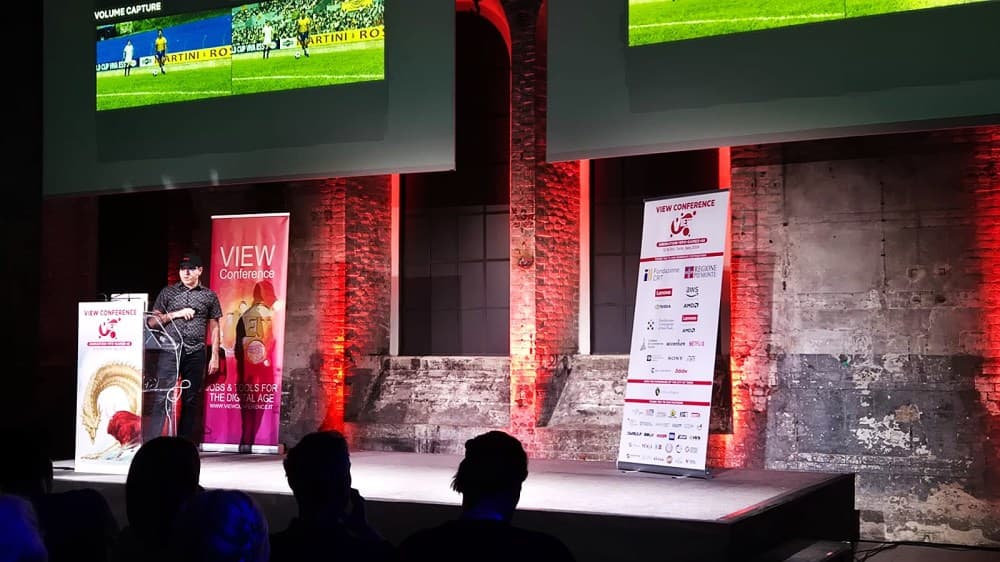
Eyeline Studios employs generative artificial intelligence to reconstruct crowds, modify lighting, and replace locations following the completion of principal photography. The studio is currently creating software that enables directors to adjust camera angles even after an actor's performance has been recorded.
For the Netflix production Brazil ’70: The Third Star, Eyeline Studios used generative techniques to populate a stadium with crowds. Mousavi stated that such visual elements would have been very, very difficult to do within that budget.
Background extensions and generative dust were also demonstrated by the studio for the Netflix documentary The American Experiment. Mousavi described the technology as an extension of the traditional art department.
The studio notes that these AI systems are not deterministic and are very hard to control. Mousavi explained, "Often in visual effects, what you really want to do is that you want to break the physics of the fluid."
One specific system utilizes 40 synchronized RED V-Raptor cameras to gather training data. Mousavi said, "Most of the work we do is based on our own research and our own models."
The studio aims to make the technology completely cohesive while ensuring it is not a black box. Netflix previously announced in July that approximately 300 of its titles have used some form of generative AI.
The streaming giant also acquired InterPositive, a filmmaking technology company owned by Ben Affleck.


