The salaried class paid Rs144 billion in income tax during this fiscal year. This amount represents Rs90 billion more tax paid by the salaried class compared to the retail and realty sectors.
The International Monetary Fund (IMF) executive board approved a three-year loan package valued at $7 billion in September 2024. The IMF also endorsed a 50% reduction for the real estate sector and established a fixed tax scheme for retailers.
Income tax collection from the real estate sector dropped by 38%, reaching Rs35.2 billion in the first three months of the current fiscal year. The government implemented a 50% cut to income tax specifically for the realty sector.
In fiscal year 2024, the realty sector paid a total of Rs200 billion in income tax. Furthermore, the budget reduced the advance tax on the sale and purchase of immovable property by 50%.
Wholesalers and retailers combined paid Rs18.4 billion in withholding taxes over the initial three months. Retailers paid Rs11.3 billion in income tax, marking an 8.3% increase compared to the same period last fiscal year.
The combined taxes paid by the real estate sector and retailers reached Rs54 billion. In the July-September period of the current fiscal year, income tax collection from the salaried class was Rs13.4 billion higher than the corresponding period last year.
The government stated it provided a Rs52 billion relief to the salaried class through a tax rate reduction of up to 3% and the abolition of the 9% surcharge. The annual contribution from the salaried class stood at Rs391 billion before the IMF programme.
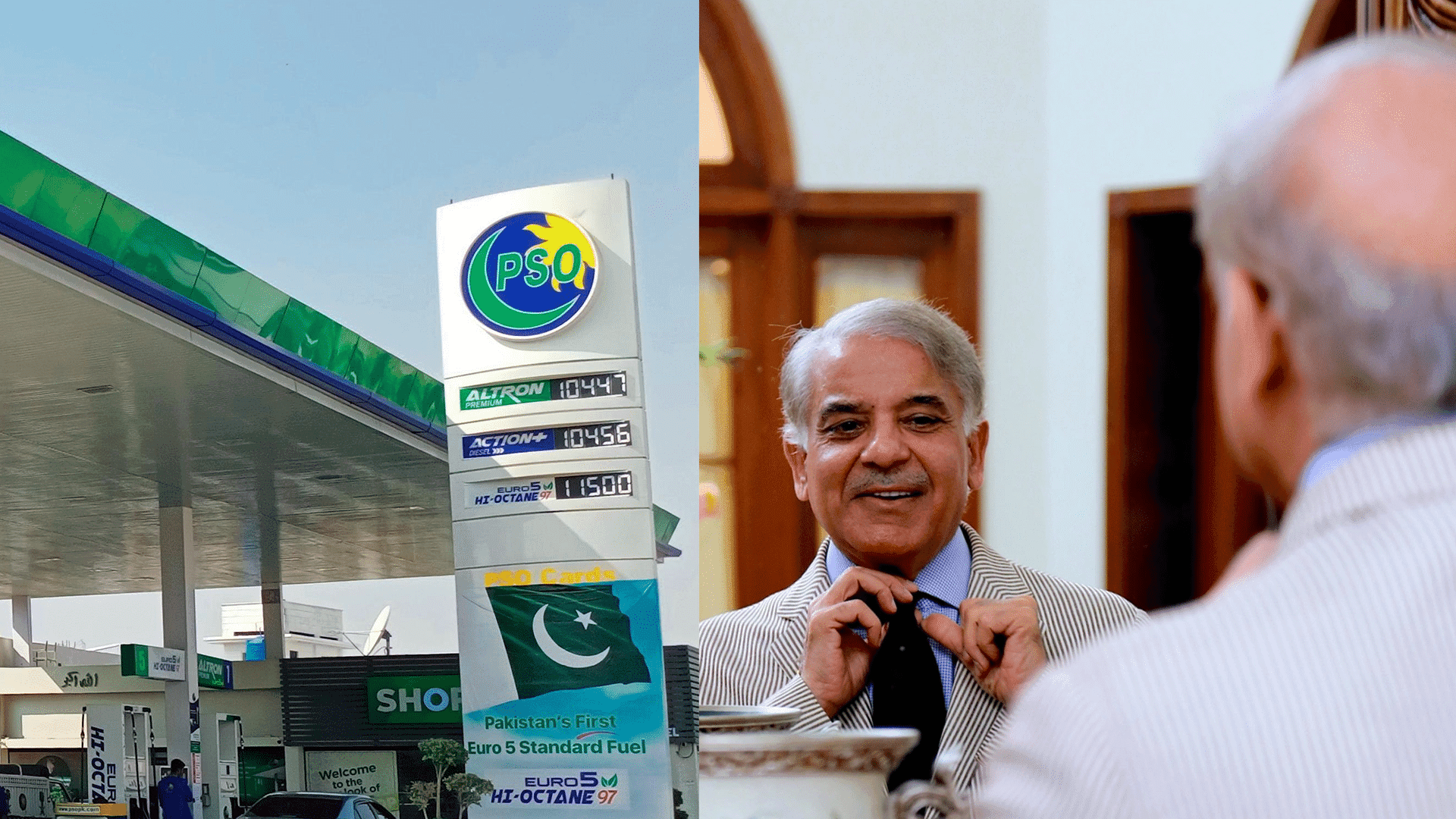
As of June 2026, the annual contribution from the salaried class increased to Rs629 billion. The salaried class faces adverse effects from the government's decision to fully recover international oil prices.
The government charged a petroleum levy of Rs80 per litre alongside a climate support levy of Rs5 per litre. Prime Minister Shehbaz Sharif promised to substantially reduce the tax burden for the salaried class once the tax base was broadened.