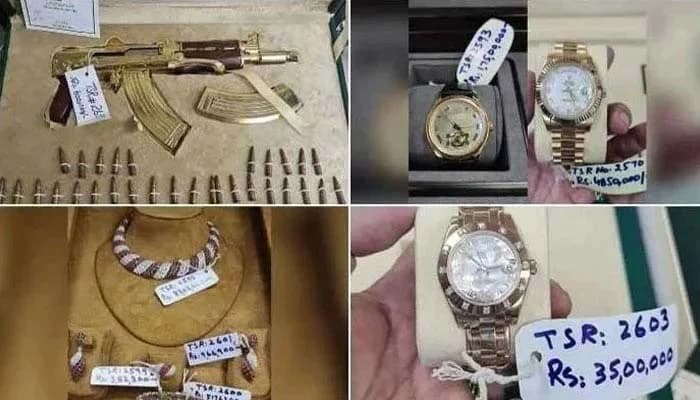
The federal government launched the Toshakhana (Management and Regulation) Rules, 2026, to govern the handling of gifts received by public officials. These regulations end the practice where office holders could keep gifts valued up to $300 by paying their market price.
A committee led by the cabinet secretary now holds the power to exempt high-value or diplomatically sensitive items from public auction. Senior representatives from the Finance, Foreign Affairs, Law, and Culture divisions serve on this oversight body.
Antiques and objects of historical or cultural importance are excluded from the auction process under the 2026 framework. The Federal Board of Revenue and a private-sector evaluator determine the market value of each gift.
A third evaluator is appointed if the initial two assessments differ by more than 25%. Valuations older than three months are ineligible to set the reserve price, which must not drop below the assessed market value.
Public office holders and their family members are barred from participating in any auctions. Monthly updates on an online portal will display gift records, including assessed values and final auction prices, while keeping the names and countries of the donors private.
The framework mandates annual third-party audits of all gifts received and disposed of through the Toshakhana. Proceeds from auctions are to be deposited into a dedicated account to fund primary education for girls in the country's most underdeveloped areas.
A source in the bureaucracy said, "The central issue in the comparison of previous and new rules is not whether the new rules expressly allow public office holders to retain expensive gifts — the rules do not establish such a general entitlement — but how consistently the government will apply the exemptions for valuable and sensitive items, and how transparently it will account for gifts kept outside the auction process."