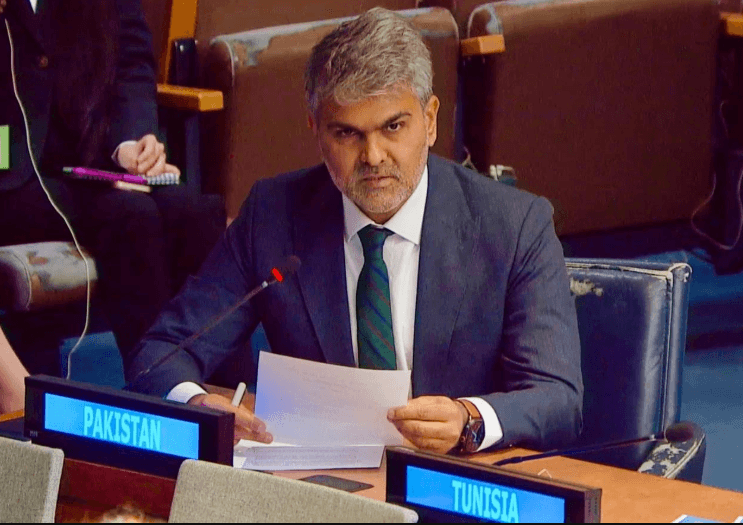
Pakistan advocated for equitable and non-discriminatory civil nuclear cooperation during a United Nations General Assembly debate on 21 October. Syed Atif Raza stated that efforts to prevent the proliferation of weapons of mass destruction ... must not impede international cooperation in the peaceful uses of dual-use technologies, which is vital for the economic development of the Global South.
The representative added that every nation possesses an inalienable right to use nuclear energy for peaceful purposes, provided they follow international legal obligations and non-proliferation rules. Pakistan currently operates six nuclear power reactors, all of which are subject to International Atomic Energy Agency safeguards.
These reactors provide approximately 20 percent of the country's total energy requirements and account for one-third of its low-carbon power generation. Rafael Mariano Grossi briefed the assembly on the nuclear situations in Syria, Iran, and Ukraine.
The IAEA secured access to Syrian facilities that were restricted for nearly 20 years, with Grossi confirming that all nuclear material in Syria is now under monitoring and verification. The agency has maintained a presence at the Zaporizhzhia Nuclear Power Plant for nearly 5 years and negotiated its eighth localized ceasefire between Russia and Ukraine.