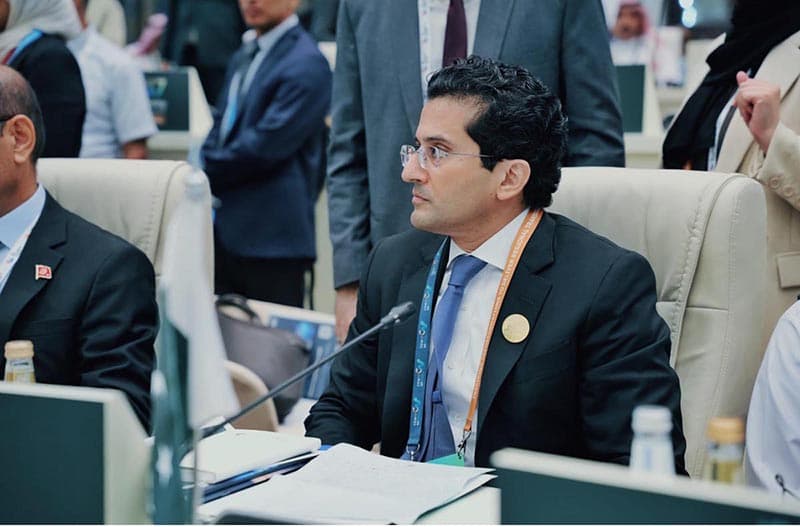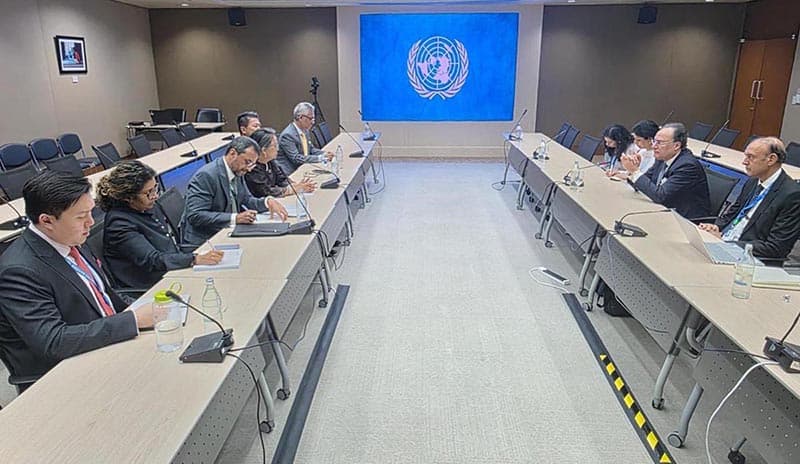
Finance Minister Muhammad Aurangzeb reaffirmed Pakistan’s ownership of taxation, energy, pension reforms and state-owned enterprise changes under the IMF-supported programme during a panel in Bangkok, Thailand. The minister spoke at a session on Mitigating Sovereign Risks in Market-Access Countries, where he highlighted debt management and fiscal reforms.
Pakistan has made progress in rebuilding foreign exchange reserves, reducing inflation, and achieving fiscal consolidation. According to a Finance Division statement, Aurangzeb stressed that sustained reform implementation is necessary to translate macroeconomic stability into sustainable growth and public welfare.
The Finance Division statement also noted his emphasis on privatisation, expenditure restraint, tax administration reforms, and revenue mobilisation to bolster economic resilience. To lower financing costs, Aurangzeb outlined measures to extend maturities and reduce rollover risks in debt management.
He reviewed potential support for Sukuk, further Panda bond issuance, and innovative financing as part of Pakistan’s medium-term debt strategy. Aurangzeb met with senior management from Mashreq Bank to discuss the institution's growing presence in Pakistan.
The meeting explored digital accounts for overseas Pakistanis, foreign-currency products, and wider outreach across the GCC. Discussion also covered expanding offshore service operations by drawing on Pakistan’s skilled workforce.
The minister discussed collaboration on blockchain, tokenisation, and digital assets within the evolving regulatory framework of Pakistan.