The Ministry of Energy (Power Division) capped the September 2026 Fuel Price Adjustment at Rs2.56 per unit, avoiding a projected increase of Rs5 to Rs6. Targeted load management and other interventions prevented an additional burden of up to Rs3.44 per unit on consumers.
A Power Division spokesperson said, "Targeted load management and other measures helped limit the impact of expensive fuels used for power generation, saving consumers from an additional burden of up to Rs3.44 per unit." During September, the ministry implemented targeted load management for approximately two to two-and-a-half hours.
Providing imported re-gasified liquefied natural gas (RLNG) for electricity generation at domestic prices reduced the consumer burden by 83 paisa per unit. The September adjustment is expected to be Rs1.45 higher than the August rate.
Consumers will face an estimated financial impact of Rs32.7 billion on their electricity bills in November 2026 due to the September adjustment. Brent crude oil prices rose above $120 per barrel, while the base electricity tariff benchmark remained around $70 per barrel.
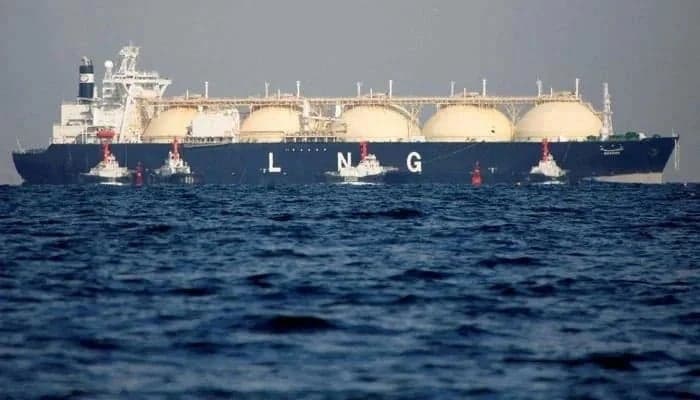
Pakistan secured RLNG through spot cargoes and contracted supplies despite a force majeure declaration from Qatar. Disruptions to fuel supply chains occurred following the closure of the Strait of Hormuz.
Between January and August 2026, the combined effect of quarterly tariff adjustments and fuel price changes was limited to 65 paisa per unit. The increase over the base electricity tariff during that same period was only 1.9 per cent.
A package designed to encourage industrial and agricultural users to consume more electricity helped increase national grid usage. Power producers might rely more on high-speed diesel and expensive furnace oil if RLNG shortages persist.