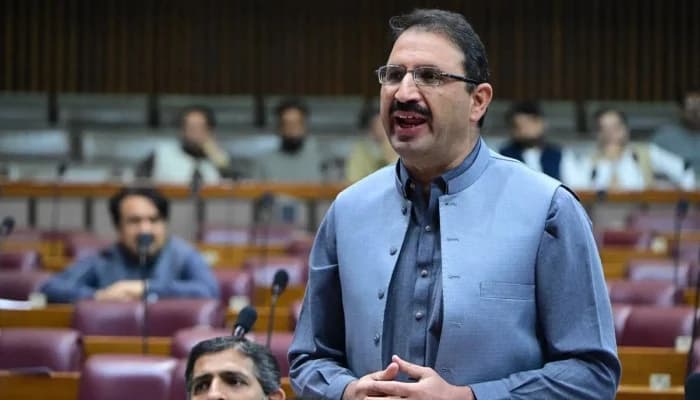

Finance Minister Muhammad Aurangzeb called on Pakistani companies to overhaul their income and business models to improve productivity during a leadership panel in Lahore on 24 October. The current participation rate of women in the workforce is approximately 22.7%.
Pakistan issued €3 billion worth of bonds during the first week of September 2026, following the restoration of the country's credit rating to the 'B' category. The nation secured a $7 billion, 37-month Extended Fund Facility from the International Monetary Fund in September 2024, with the current programme set to end in October 2027.
Workers' remittances are expected to reach $44 billion in the current fiscal year, while freelancers contributed around $1.6 billion to information technology exports. To support exports, the government abolished the super tax, lowered tax slabs, and offered exporters loans at an interest rate of 4.5%.
Goods exports have remained around $30 billion over the last five to ten years, with textile exports accounting for approximately $17 billion. The State Bank of Pakistan purchased approximately $6 billion to $7 billion from the market this year, following a trend of purchasing around $20 billion over recent years.
Authorities also discussed providing additional electricity to industries at Rs23 per unit while working to prevent fuel shortages and long queues at petrol stations.