
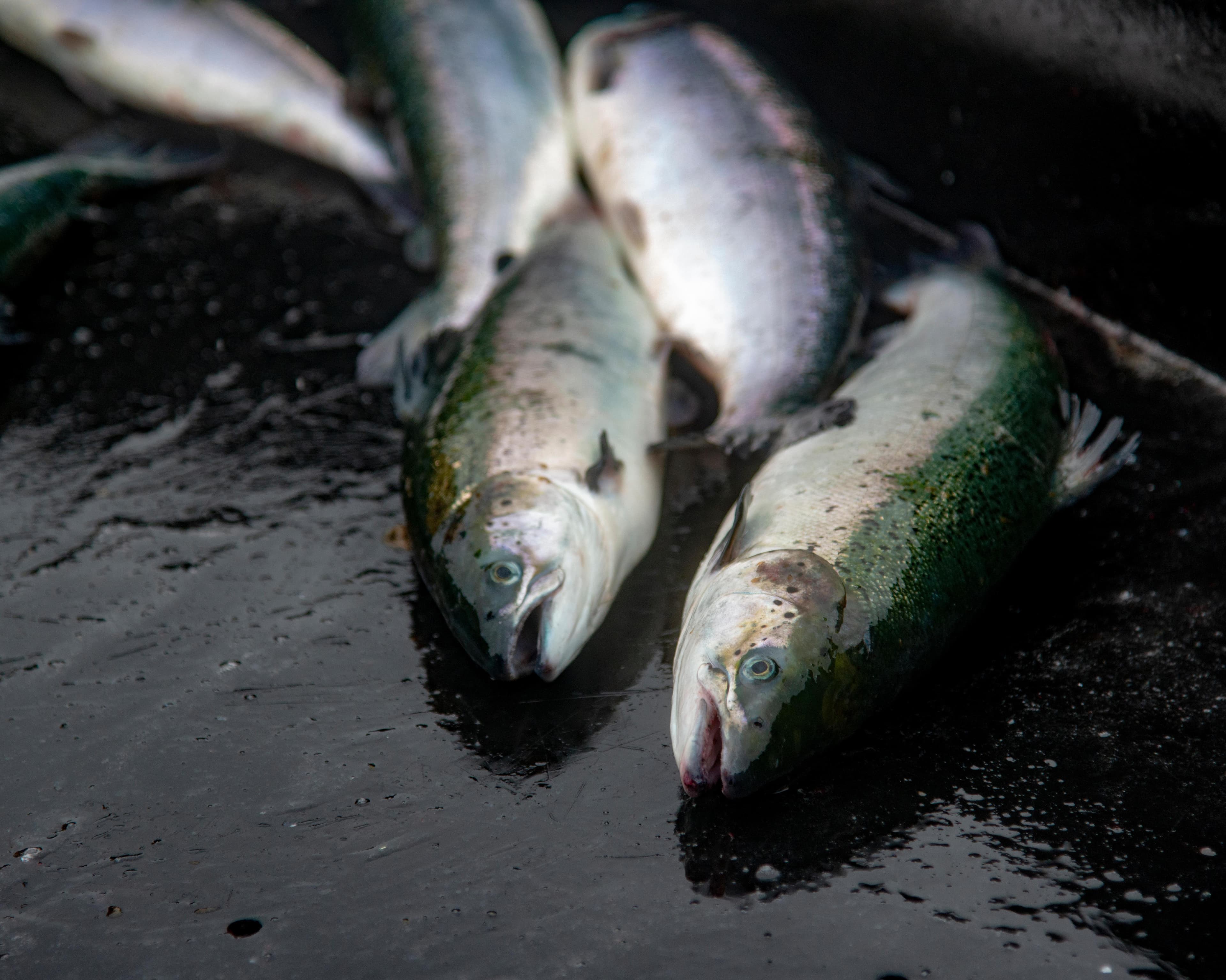
No routine or mandatory inspections of fish slaughterhouses currently exist across England and Wales. Official bodies responsible for animal welfare and food standards in England and Wales do not conduct regular inspections.
Specifically, the Animal and Plant Health Agency (APHA) does not perform mandatory inspections of fish slaughterhouses. Furthermore, the Food Standards Agency (FSA) and the Fish Health Inspectorate (FHI) do not carry out routine or mandatory inspections.
Abigail Penny, the executive director of Animal Equality UK, stated, "Fish are thinking, feeling beings, capable of pain. It is a disgrace that not a single government agency will take responsibility for checking on their welfare at slaughter. This is a huge blindspot, and it leaves these animals all the more vulnerable behind closed doors." The Farm Animal Welfare Council first suggested legislation governing the slaughter of farmed fish back in 1996.
The committee revisited this issue in 2014 and again in 2024. During these reviews, the committee urged UK governments to legislate for stunning farmed fish before slaughter and to establish inspection systems to enforce these standards.
The government subsequently committed to including humane slaughter requirements for farmed fish within its Animal Welfare Strategy for England, which was published in December 2025. However, draft legislation detailing these humane slaughter requirements has not yet been published.
Animal Equality UK estimates that approximately 7,742 tonnes of trout are killed annually in England and Wales. The UK hosts nearly 290 trout farms, including hatcheries, concentrated across northern England, southern England, and southern Scotland.
Currently, APHA investigates reports concerning suspected poor welfare at fish farms, and the Fish Health Inspectorate conducts inspections on behalf of the government.
Abigail Penny, the executive director of Animal Equality UK, stated, "Fish are thinking, feeling beings, capable of pain. It is a disgrace that not a single government agency will take responsibility for checking on their welfare at slaughter. This is a huge blindspot, and it leaves these animals all the more vulnerable behind closed doors."
Abigail Penny, the executive director of Animal Equality UK


