
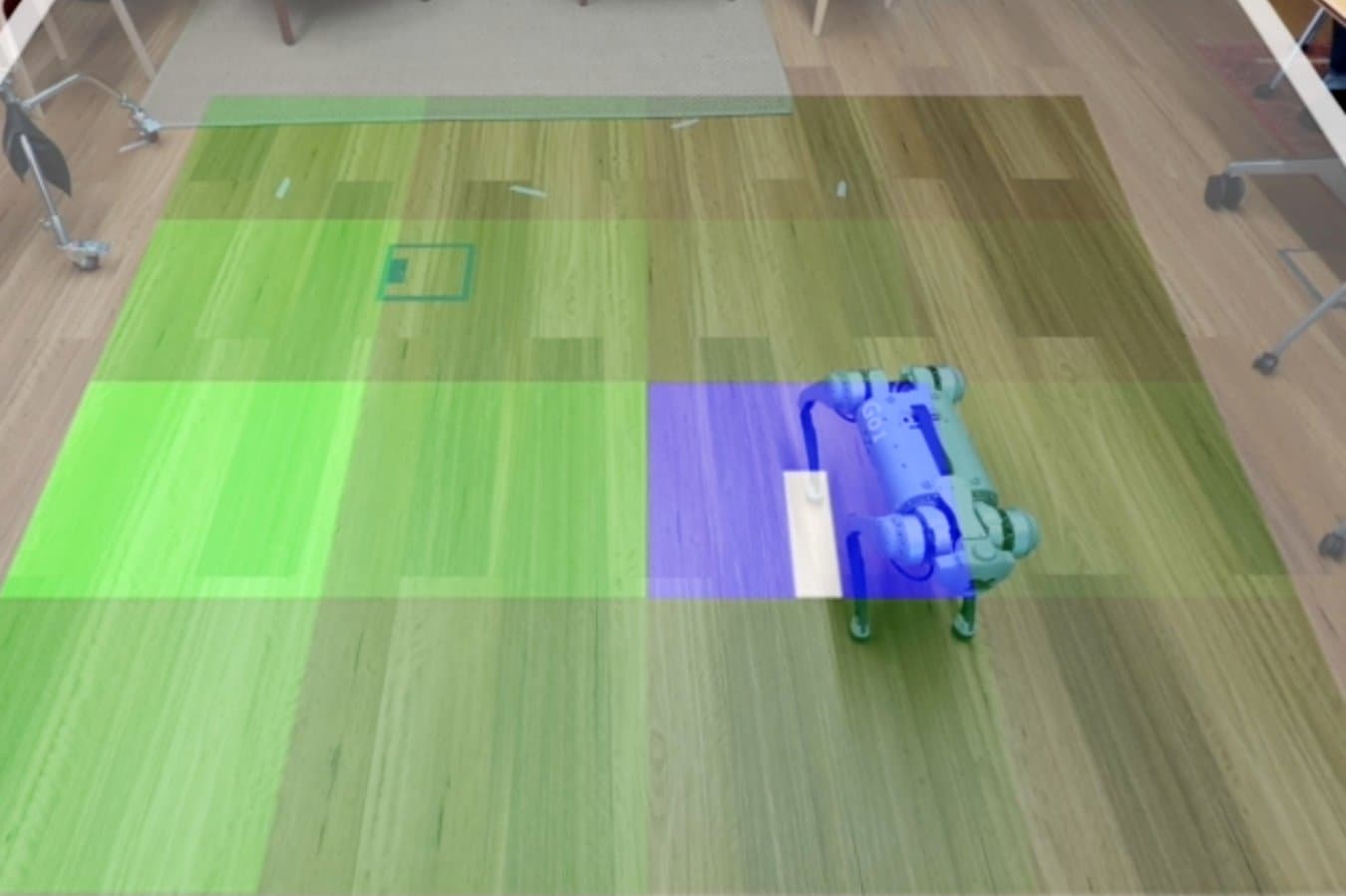
The company demonstrated that the CL1 system could play the video game Pong in 2021. Researchers trained the biological computer to move toward a target within a simulated 2D environment.
Data gathered from that 2D simulation was then used to direct the movements of a physical robotic dog. Brett Kagan of Cortical Labs stated that the cells in CL1 computers are produced from stem cells derived from blood donated by consenting individuals.
Kagan noted that while digital robotics still struggle with pathfinding and higher-order control, biology has evolved to respond to the world in real time. The company claims these biological systems could be less energy-intensive than digital alternatives.
Ferrante Neri said, "That is promising evidence of learning from limited experience under these experimental conditions." Neri added that achieving an advantage on this specific task represents an early step toward managing the complexities of real-world navigation.
Kagan acknowledged that there is no evidence these systems feel pain or suffering, but he said the company is addressing that possibility with independent groups.