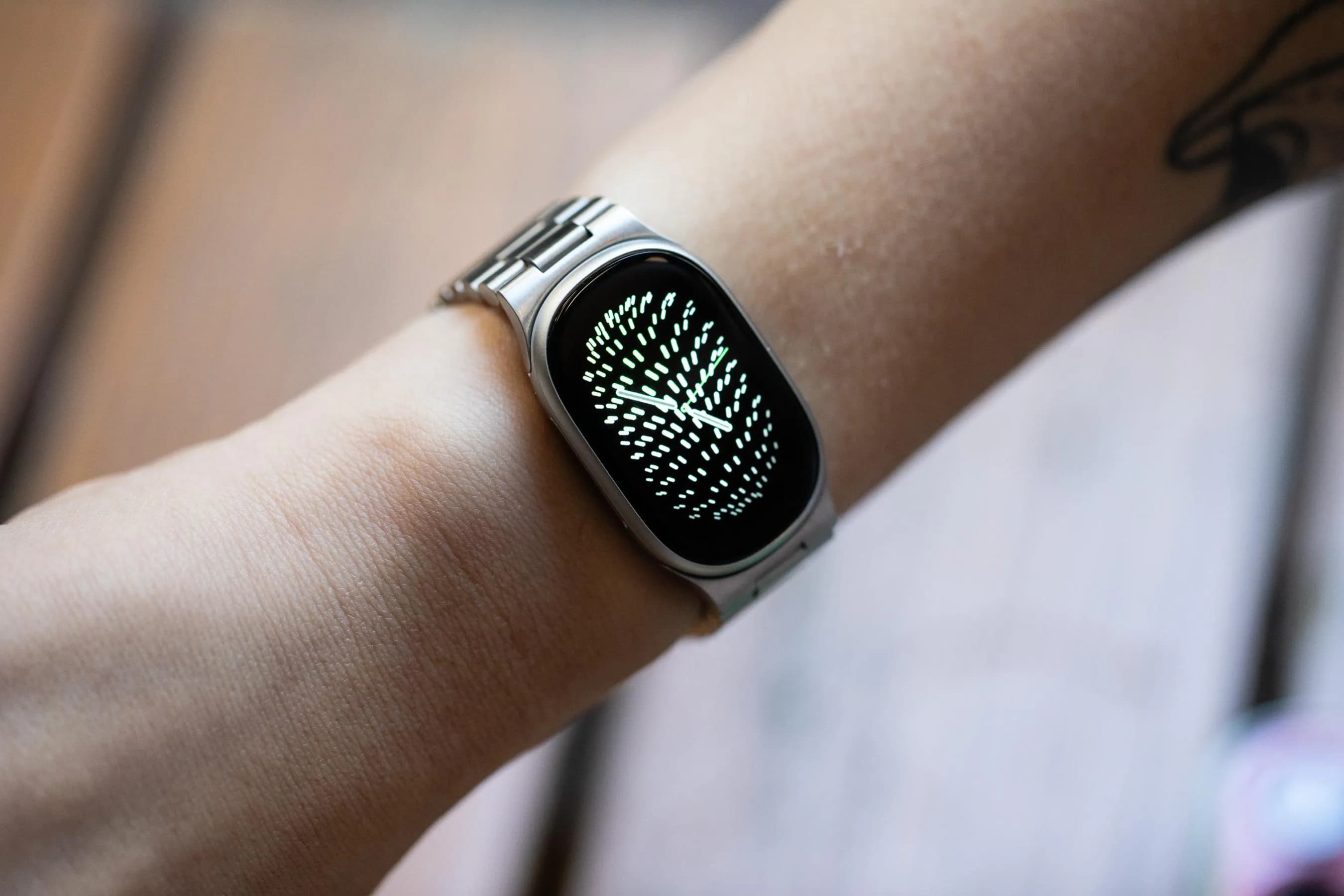
The Fitbit Edge costs $179.99 and serves as a modernized version of the fitness bands produced between 2014 and 2020. A metal link bracelet for the device is priced at $150, while a magnetic strap costs $60.
Built-in GPS allows for accurate tracking, such as identifying a transition from a 5-minute warmup walk to a run during a 2.4-mile test. During that specific test, the device estimated a run distance of 2.55 miles and logged a pace of 10’49” per mile.
The wearable lasts for about 1 week on a single charge, though the battery drops to 1.5 days if the always-on display is enabled. Hardware limitations include the absence of microphones, speakers, and support for contactless payments.
Andy Abramson, head of product at Google Health, noted the device features a "sleek design, altimeter, and weeklong battery." The Fitbit app has been replaced by Health, which includes an AI coach for a $10 monthly subscription.
Purchasers receive 3 months free of the Health subscription. Health Guardian features are expected to show trends for blood pressure and noninvasive insulin resistance.
Users must agree to three mandatory agreements to use the Google Fitbit Edge, though the option to use health data to train Google’s AI is turned off by default. Google’s acquisition of Fitbit requires health data to be stored separately and not used for targeted ads.