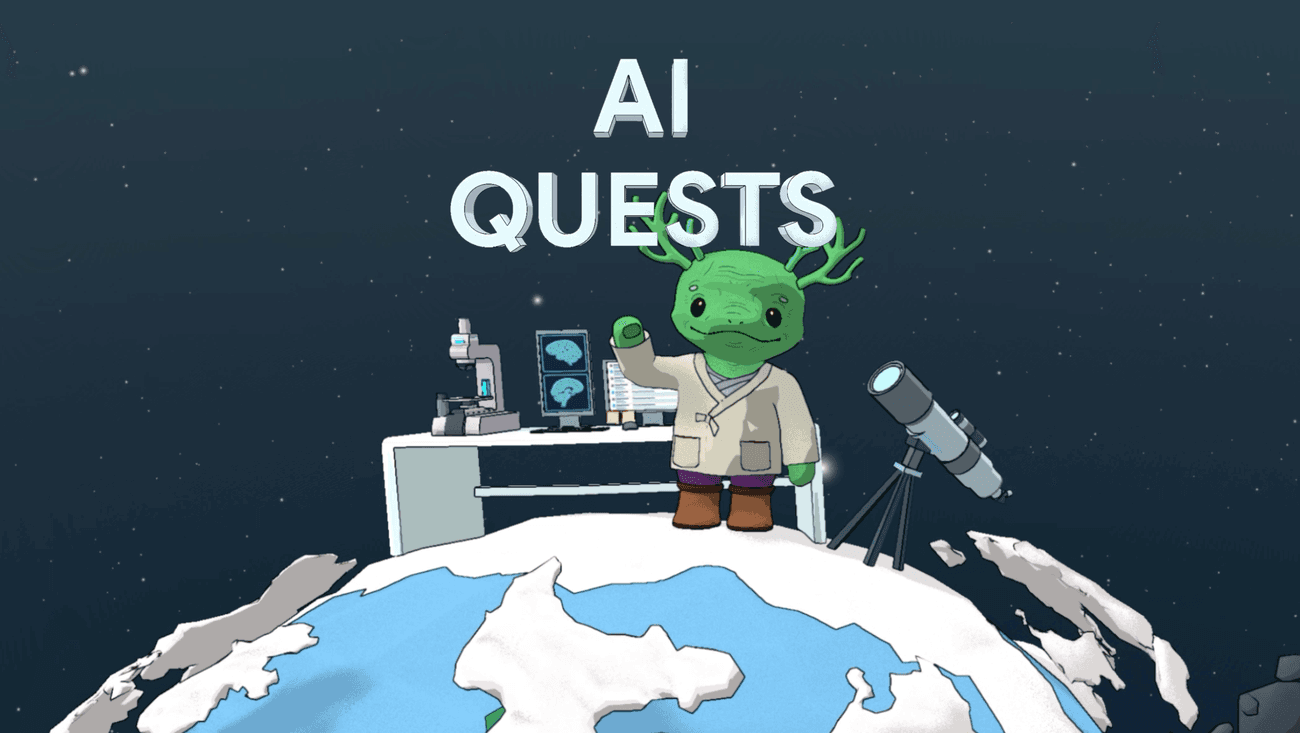
Google Research and the Stanford Accelerator for Learning launched Polar Peaks on 26 October. This project serves as the third quest in the AI Quests series.
Students aged 11 to 14 use the platform to learn how to map the human brain through artificial intelligence. Participants practice model testing and data cleaning while exploring the field.
Polar Peaks draws inspiration from more than ten years of research in connectomics. Previous quests in the series addressed eye disease detection and flood forecasting.
The flood forecasting module was based on the Flood Forecasting initiative by Google Research. An AI model for screening diabetic retinopathy provided the basis for the eye disease detection quest.
Researchers have already mapped the complete brain of a fruit fly, creating the largest brain map by neuron count to date. More than 400,000 quests have been completed by users so far.
The AI Quests platform is available in 10 different languages. The program received a 2026 Webby Award for AI Education, Learning & Training.
It also won the ETIH Innovation Awards for Best Global K–12 Learning Solution. Google Research and the Stanford Accelerator for Learning have released training modules for teachers, with Quest #3 modules arriving next month.