
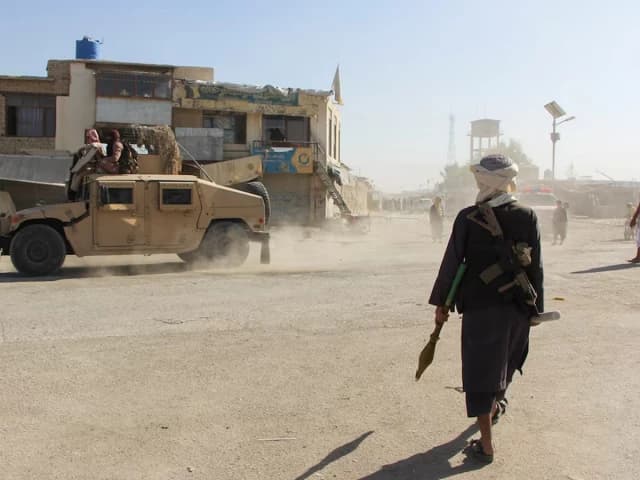
The Ministry of Information and Broadcasting called out the Afghan Taliban for employing diversionary rhetoric to deflect attention from terrorist groups operating within Afghanistan. Islamabad accused the regime of failing to dismantle militant sanctuaries despite receiving specific information regarding their locations and activities.
Approximately 6,000 Tehreek-e-Taliban Pakistan fighters are estimated to be present in Afghanistan according to the UN Security Council’s Analytical Support and Sanctions Monitoring Team Sixteenth Report. The ministry stated, "These findings cannot credibly be dismissed as Pakistani propaganda. The regime must address this documented threat through concrete action rather than denial."
Security officials estimate that up to 70 per cent of Fitna al-Khawarij terrorists infiltrating Pakistan originated from Afghanistan. In 2026, terrorism originating from Afghan soil killed 1,327 Pakistanis and injured 2,484 others.
The ministry further claimed the Taliban regime allowed leftover US and NATO weapons to reach groups including Fitna al-Hindustan and Fitna al-Khawarij. UN assessments have also documented the presence of Islamic State-Khorasan, the East Turkestan Islamic Movement (ETIM), and al Qaeda in Afghanistan.
Pakistan rejected Taliban assurances that Afghan territory would not be used against neighboring countries while the ministry criticized the regime's restrictions on girls' education and human rights violations. The ministry stated, "Pakistan will take all necessary measures, in accordance with international law, to protect its citizens, defend its sovereignty and safeguard its territorial integrity. The responsibility to end the use of Afghan territory for attacks against Pakistan rests squarely with the regime."


